How We Manage Projects
Clear project delivery with a proven process, predictable communication, and documentation that stays up to date.
Discuss Your ProjectProject management is how we keep delivery predictable: clear scope, visible progress, and decisions that do not get lost in chat threads. This page explains how we organize work, communicate, deliver in stages, choose methodologies, and maintain documentation.
Main focus
This is a practical overview of how we run software delivery from kickoff to release. It helps partners understand what to expect week to week and how priorities, approvals, and documentation are handled.
- How our work is organized within the team
- How communication is built between the team and stakeholders
- Project life cycle and delivery stages
- Project management methodologies and approaches we use
- How we maintain project documentation
Working process
Working organization with a team
We run projects with a clear structure: one owner for scope and priorities, one delivery lead for execution, and a team that works in short, trackable cycles. The goal is to avoid hidden work, unclear status, and last-minute surprises.
- Kickoff and alignment: goals, success metrics, scope boundaries, risks, owners
- Backlog setup: user stories, acceptance criteria, dependencies, estimates
- Delivery cadence: weekly or bi-weekly planning, async updates, regular demos
- Quality gates: code review, automated checks, staging validation, release checklist
- Visibility: you always see what is in progress, what is blocked, and what ships next
What you can expect from us:
- Clear priorities and a stable delivery rhythm
- Written decisions and updated scope notes
- Realistic milestones tied to features
- Early risk flags for integrations, performance, security, and data
Communication
How we build communication within the team
- Slack – day-to-day delivery chat, quick questions, async updates
- Telegram – urgent coordination when speed matters
- Jira – tasks, priorities, blockers, progress, sprint or Kanban boards
How we build communication with stakeholders
- Email – requirements, approvals, change requests, documents, invoices
- Slack – shared channel for coordination with client teams
- Telegram – direct line for urgent coordination with PM or PO
Communication rules:
- One place for tasks and status: the tracker (Jira or Trello)
- One place for decisions: a shared doc space (Confluence or Google Docs)
- Regular touchpoints: demos, planning, and a short weekly sync when needed
- Escalation for production issues: severity levels and a clear response path
Project life cycle
How we split a project into stages
Most projects follow four stages. The names are simple, but the deliverables are concrete and trackable.
| Phase | Goal | Typical outputs |
|---|---|---|
| Initiate | Align on goals, constraints, and success metrics | Scope outline, assumptions, risk list, initial backlog, team setup |
| Planning | Turn goals into a delivery plan | Milestones, estimates, priorities, acceptance criteria, release plan |
| Execute | Build, test, and iterate with visibility | Working increments, demos, test results, updated backlog, release notes |
| Delivery and closing | Ship reliably and capture outcomes | Production release, handover notes, documentation pack, retrospective notes |
Methodologies and approaches
What we use and when
We choose a process based on risk, scope clarity, and how often priorities change.
Kanban – best for support, ongoing improvements, maintenance, and changing scope. You get a steady flow of completed items and clear limits on work in progress.
Scrum (Agile) – best for larger products with active roadmap changes, multiple teams, or complex dependencies. You get time-boxed delivery, planning discipline, and frequent demos.
Hybrid – common in practice: Scrum for new product work, Kanban for support and bug flow, with a shared release process.
Tools we use for managing projects
- Jira – backlog, sprints, reporting, cross-team coordination
- Trello – lightweight boards for smaller projects
- GitLab – repository management, CI/CD, secure workflows
- Bitbucket – repository hosting and pull request reviews when preferred
- Confluence – documentation and knowledge base
Documentation
How we arrange and maintain project documentation
Documentation is part of delivery, not an afterthought. We keep specs and guides close to the code and update them when behavior changes.
What documentation typically includes:
- Product and scope notes: goals, user roles, core flows, constraints
- Requirements and acceptance criteria: what “done” means for each feature
- API documentation: endpoints, auth, errors, examples
- QA assets: test plans, regression notes, performance results when required
- Release notes: what changed, what to test, rollback notes
- Admin and CMS guides: how to manage content and settings
Examples of documents we often deliver:
- Backend API description
- Swagger / OpenAPI endpoints documentation
- Performance test report
- Website CMS guide for editors and admins
Have a project in mind?
Share a short brief, and we will respond with next steps, timeline options, and the first questions we need answered.
Portfolio
Examples of our work
View all cases
Unified Logistics Platform for a National 3PL Operator
We built an Order Management System for UVK, a leading 3PL operator in Ukraine. We cut delivery planning time to 40 minutes, with 98% of deliveries arriving on time
I-Practice Online Booking Web Platform
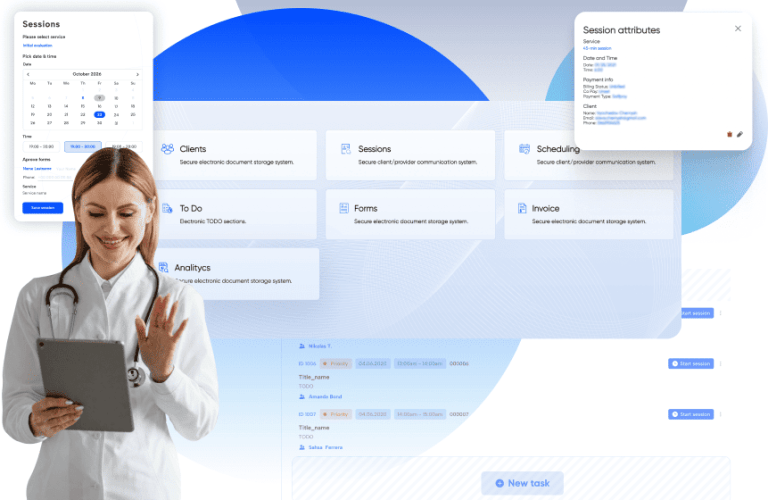
Healthcare booking platform that lets patients choose a doctor, pick a time slot, and confirm appointments with reviews, PDFs, and email notifications, while clinics manage schedules with less manual coordination.
FAQ
Can you take over a project built by another team?
Yes. We onboard into the codebase, check access and environments, review architecture, and then propose a first backlog with prioritized fixes and quick wins.
How do you keep scope from drifting?
We agree on scope boundaries early, document assumptions, and track changes as separate items with impact on time, budget, and priorities.
How often will we see progress?
Most projects run with weekly demos or sprint reviews. Between reviews you always have visibility in the tracker, so status is never hidden.
What tools do we need on the client side?
Usually a shared chat channel (Slack or email) and a tracker (Jira or Trello). Documentation can live in Confluence or a shared docs space.
How do you handle urgent production issues?
We use severity levels, quick triage, and a restore-first approach. After service is stable, we document root cause and prevention steps.
Do you work with internal client teams?
Yes. We can deliver as a mixed team with your developers, QA, product owners, and stakeholders, with clear ownership and a shared backlog.
What documentation will we receive during the project?
You get updated specs and acceptance criteria, release notes, and any required guides for admins or operations. API documentation and testing reports are added when relevant.
How do you prevent regressions when fixing bugs?
We rely on code review, controlled releases, regression checks, and a clear definition of done that includes testing and validation on staging.


Have a project in mind?
Let's chat
Your request has been accepted!
In the near future, our manager will contact you.
Have a project to discuss?

Have a partnership in mind?