Logistics Software Development
We design systems that keep daily execution under control: order intake, planning, dispatch, warehouse handoffs, live tracking, and exception handling. The result is fewer manual steps, cleaner statuses, and a workflow teams can rely on during peak hours.
Discuss Your ProjectCustom software for TMS, WMS, dispatch, tracking, customer updates, and integrations. Built to stay reliable during peak-hour spikes, handle real operational constraints, and keep shipment and inventory data consistent across teams and partners.
What We Build
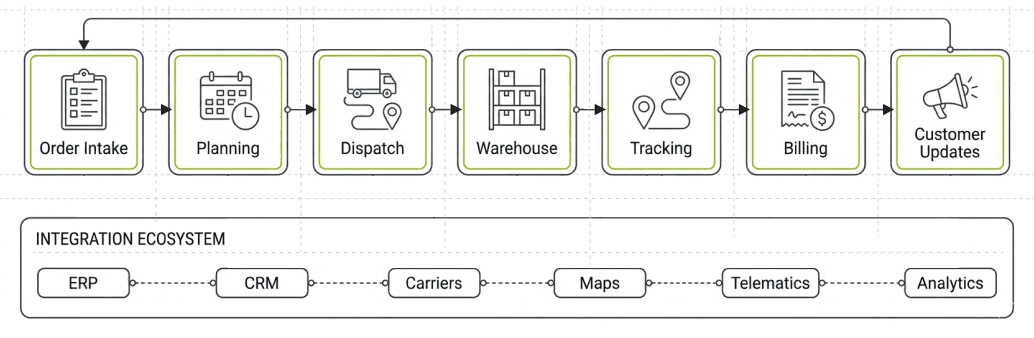
We build logistics platforms that connect planning, execution, and reporting into one operational flow:
- Transportation execution (planning, dispatch, tracking, billing-ready shipment lifecycle)
- Warehouse execution (receiving, picking, packing, inventory accuracy)
- Real-time visibility (events, ETAs, milestones, exceptions)
- Customer-facing status (portals, notifications, proof-of-delivery)
- Integrations (ERP, CRM, marketplaces, carrier APIs, telematics, analytics)
What Logistics Operations Need From Software
Logistics is a chain of decisions under time pressure. ETAs shift, inventory moves, drivers go off plan, carriers change availability, and partners send inconsistent updates. Your software has to keep workflows predictable when reality isn’t.
What that means in practice:
- One source of truth for shipment and inventory states
- Fast, reliable updates for dispatchers and warehouse teams
- Clear exception handling so delays do not become chaos
- Resilient integrations so partner outages do not freeze execution
Where Operational Friction Usually Starts
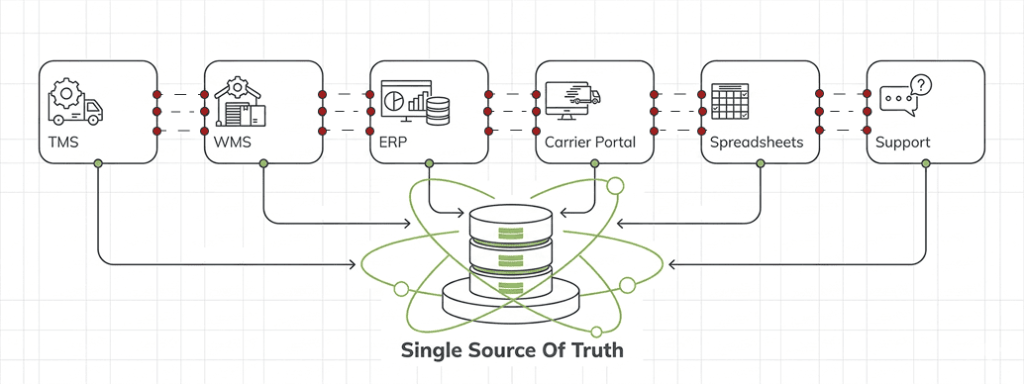
Most issues come from gaps between systems, not from one “bad tool”:
- Fragmented data across TMS, WMS, ERP, carrier portals, and spreadsheets
- Manual dispatch steps and “human middleware” during exceptions
- Weak visibility during partner outages and missing events
- Conflicting statuses across email, portals, and support channels
- Slow screens and timeouts at peak volume
Logistics Solutions We Build
Transportation Management Systems (TMS)
Load planning, carrier coordination, tracking, cost control, document workflows, and end-to-end shipment visibility:
- Assignment, milestones, ETAs
- Rate and cost tracking
- Documents (BOL, POD, invoicing artifacts)
- Exception flows with delay reasons and ownership
- Analytics by lane, carrier, customer
Warehouse Management Systems (WMS)
Warehouse execution that protects inventory accuracy across locations:
- Receiving and putaway
- Picking, packing, staging
- Cycle counts and discrepancy handling
- Role-based task queues
- Scanning and label workflows
Dispatch and Route Optimization
Route planning and dispatch flows that reflect real constraints:
- Time windows, driver shifts, vehicle capacity
- Multi-stop routes and rapid re-planning
- Priorities and service levels
- Manual override with audit trails
Fleet Tracking, IoT, and Telematics
Real-time vehicle and asset tracking with operational signals:
- Telematics ingestion and event processing
- Geofencing and alert triggers
- Trip timelines and dwell-time analysis
- Sensor data (temperature, door, shock, fuel) when relevant
Freight Forwarding and Documentation
Shipment workflows and partner-ready documentation:
- Multi-leg shipments (handoffs between modes)
- Document packs per stage
- Role-based access for agents and partners
- Compliance-friendly history
Customer Portals and Status Updates
Customer-facing visibility that reduces support load:
- Shipment status pages with milestones
- Notifications driven by events
- Claims and issue workflows with attachments
- Proof-of-delivery capture
Integrations and Data Flows
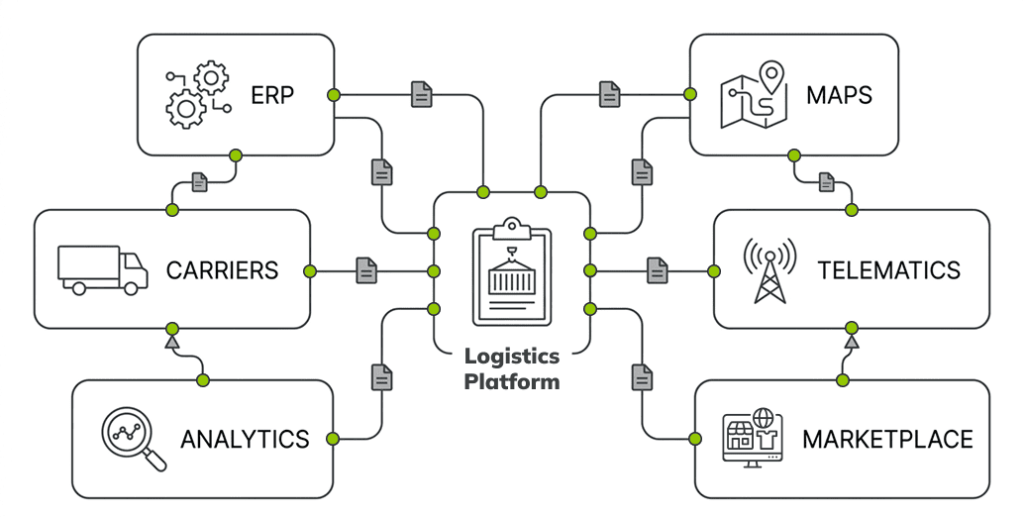
Logistics platforms rarely operate in isolation. We integrate with ERPs, CRMs, marketplaces, carrier APIs, payment and invoicing systems, mapping providers, telematics platforms, and internal analytics.
Integration Principles We Follow
- Stable contracts and versioning to support safe changes
- Retries, timeouts, and circuit breakers to prevent cascade failures
- Idempotent processing to avoid duplicates during spikes
- Consistent identifiers across systems for reconciliation
- Clear observability for failures, delays, and missing events
From MVP to Production-Grade Systems
If you are validating a new operating model, we start with an MVP built around measurable workflows such as dispatch, tracking, billing, or warehouse execution. Then we expand step by step without rewriting the core.
Typical MVP Starting Points
- Dispatch + tracking with a clean exception flow
- Single-warehouse execution (receive -> pick -> pack -> ship)
- Billing-ready shipment lifecycle with documents and milestones
- Customer status portal powered by reliable events
Scaling and Modernization Work
We stabilize and scale existing platforms when growth exposes weaknesses:
- Remove bottlenecks in dispatch, scanning, event processing, billing
- Reshape data models for higher shipment and event volume
- Harden integrations against partner outages and partial failures
- Add queues and safe processing patterns where spikes cause breaks
- Improve monitoring and alerting so incidents are diagnosable fast
Key Decisions That Keep Logistics Systems Stable Under Load
| Area | What we build | Why it matters |
|---|---|---|
| Architecture | Clear boundaries, stable APIs, versioned contracts | Safer releases without breaking dispatch, tracking, or billing |
| Data and events | Idempotency, retries, queues where needed | Fewer duplicates and fewer lost updates during spikes |
| Performance | Caching, pagination, rate limits, load testing | Predictable response times at peak volume |
| Integrations | Resilient connectors, timeouts, fallback states | Partner outages do not take the platform down |
| Observability | Structured logs, metrics, tracing, actionable alerts | Faster incident response and fewer blind spots |
| Security and access | Roles, permissions, audit trails | Controlled operations across teams and partners |
Delivery Process
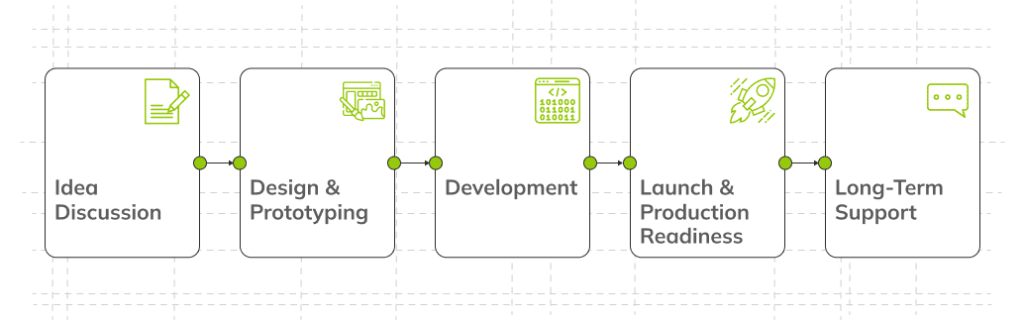
Idea Discussion
We map your workflows end to end: order intake, planning, dispatch, tracking, exceptions, warehouse handoffs, invoicing, and reporting. Then we define scope boundaries and success metrics.
Design and Prototyping
We shape architecture, data contracts, and UX flows for dispatchers, warehouse staff, drivers, support, and admin roles.
Development
Iterative delivery with staged environments, reviews, automated checks, and predictable checkpoints. You see working increments early.
Launch and Production Readiness
Deployment, monitoring setup, failure-mode testing, and realistic load testing based on peak patterns. We also validate integration behavior under timeouts and partial outages.
Long-Term Support and Maintenance
After launch, we support the platform with monitoring, updates, integration maintenance, and iterative improvements aligned with operational priorities and seasonality.
If This Is Your Situation
This page is a fit if you need:
- one platform instead of disconnected tools and spreadsheets
- reliable visibility across carriers, warehouses, and partners
- exception handling that stays controlled under pressure
- stable integrations that degrade safely when partners fail
Next Step
If you share your current flow (intake -> planning -> dispatch -> tracking -> billing), we can outline a practical first release: what to build first, what to integrate, and what metrics to target.
Portfolio
Examples of our work
View all cases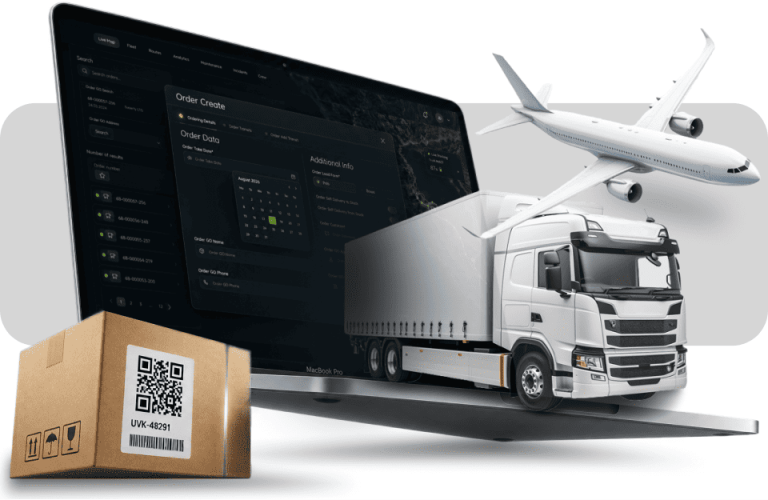
Unified Logistics Platform for a National 3PL Operator
We built an Order Management System for UVK, a leading 3PL operator in Ukraine. We cut delivery planning time to 40 minutes, with 98% of deliveries arriving on time
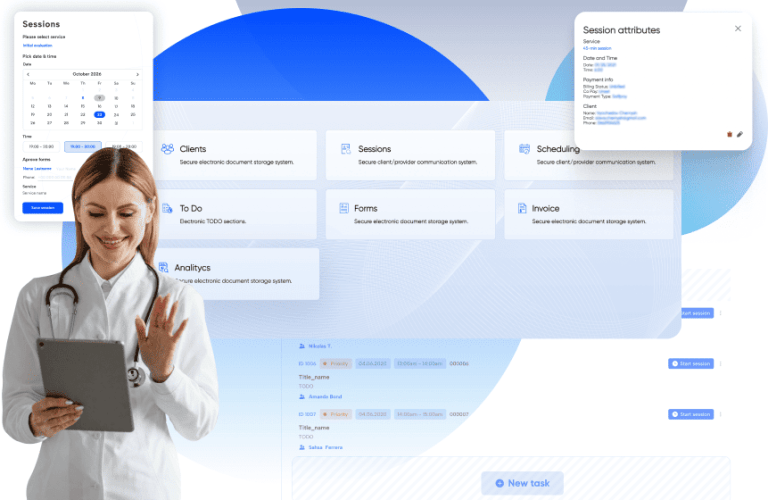
I-Practice Online Booking Web Platform
Healthcare booking platform that lets patients choose a doctor, pick a time slot, and confirm appointments with reviews, PDFs, and email notifications, while clinics manage schedules with less manual coordination.
FAQ
What logistics companies do you work with?
Fleet operators, couriers, 3PLs, freight forwarders, and businesses running in-house logistics.
Can you join an existing project and improve it?
Yes. We often step in to stabilize integrations, improve performance, modernize architecture, or add operational tooling.
Do you build TMS and WMS from scratch?
Yes, and we also build focused modules that connect to your current stack.
Do you integrate with carriers, maps, and ERPs?
Yes. Integrations are scoped based on your partners, regions, and internal tooling.
Do you provide ongoing development and support?
Yes. Post-launch work typically covers monitoring, incident workflows, updates, and new features.


Have a project in mind?
Let's chat
Your request has been accepted!
In the near future, our manager will contact you.
Have a project to discuss?

Have a partnership in mind?