Best Eastern European Countries for Software Outsourcing in 2026
Why Eastern Europe still makes sense in 2026
Eastern Europe remains a practical nearshore choice for companies in North America, the UK, and Western Europe that rely on custom software development for long-term product growth and need strong engineering, predictable delivery, and cost control without sacrificing senior talent.
Demand stays high for three reasons:
- Companies keep optimizing hiring and delivery models after several years of cost pressure.
- Cloud migration, cybersecurity work, and AI adoption keep pulling engineering capacity into long programs.
- Remote-first delivery is now normal, so location matters less than operating discipline.
What to evaluate before you pick a country
A country scorecard that works in real projects
Use these criteria when comparing locations:
- Talent depth: availability of senior engineers, architects, tech leads, domain specialists
- Delivery stability: continuity practices, remote maturity, infrastructure resilience
- Communication: English proficiency, meeting overlap, decision speed
- Cost structure: market rates, retention pressure, leadership overhead on your side
- Compliance readiness: GDPR familiarity, secure delivery habits for regulated products
Rates in 2026
Rates vary by seniority, tech stack, engagement model, and vendor maturity. Treat rate cards as a rough filter, then validate through interviews, trial scopes, and delivery track record. The best cost outcome comes from stable teams with strong leadership, not from the lowest hourly number.
Engagement models and when each one works
Dedicated team
A long-lived team working as an extension of your product org, often with shared rituals and a stable roadmap.
Best when:
- You need ongoing capacity and predictable velocity
- You want to build product knowledge over time
- You expect multiple releases, not a single delivery
Team extension
You keep product ownership and add specialists to your existing teams.
Best when:
- You have a strong internal engineering core
- You need specific roles fast (DevOps, data, mobile, QA)
- You want tight control over architecture decisions
Project-based delivery
A vendor delivers a defined scope with fixed milestones and a delivery manager.
Best when:
- Scope is clear and stable
- You need a time-boxed release (MVP, migration phase, redesign)
- You want a single accountable delivery owner
Multi-country delivery
A distributed setup across two or more hubs under one delivery system.
Best when:
- Continuity and redundancy matter
- You expect scaling pressure across multiple quarters
- You want access to multiple hiring markets without changing partners
Talent availability by tech stack in 2026
What tends to be strong across the region
Across the top hubs, you can usually hire reliably in:
- Java and .NET for enterprise platforms, integrations, back-office systems
- JavaScript and TypeScript with React, Node.js for web apps and SaaS
- Mobile with iOS, Android, and React Native
- DevOps and cloud for AWS, Azure, GCP delivery
- QA engineering including automation, performance, and test infrastructure
These strengths make the region particularly attractive for complex app development programs that combine backend platforms, mobile delivery, DevOps pipelines, and long-term product iteration.
Where specialization becomes a differentiator
Country selection starts to matter more when you need deep pockets of:
- Data engineering and MLOps (pipelines, feature stores, monitoring)
- Cybersecurity (secure SDLC, threat modeling, cloud security controls)
- Embedded and automotive-adjacent work
- High-scale e-commerce engineering (performance, catalog, payments, integrations)
Practical approach:
- Pick a country for base capacity, then recruit scarce specialists region-wide.
- Validate seniority by reviewing shipped systems, not only interviews.
Hiring speed and scalability
What actually slows hiring
Even in strong markets, hiring can slow down due to:
- High competition for seniors in top cities
- Narrow requirements (specific cloud stack, regulated domain, niche frameworks)
- Weak employer branding from the vendor (retention and churn issues)
How to plan a realistic ramp-up
- Start with a stable core team, then add specialists in waves.
- Keep onboarding documentation tight, so new hires become productive faster.
- Use a two-step hiring plan: core roles first, then niche roles after architecture is stable.
Top Eastern European outsourcing destinations in 2026
Poland
Poland is often the default choice when companies want scale, EU operating comfort, and mature enterprise delivery.
Best fit:
- Long-term teams for platform modernization and enterprise systems
- Cloud programs, data platforms, security-heavy work
- Products that need a large hiring pipeline over time
Trade-offs:
- Higher rates in major hubs
- Strong competition for senior talent in top cities
Ukraine
Ukraine remains a high-value destination thanks to engineering strength and teams that built resilient delivery habits under real constraints. Country risk exists, yet vendor readiness varies a lot, so selection matters.
Best fit:
- Senior engineering for complex custom systems
- Logistics, retail platforms, operations-heavy software
- Cost-sensitive scaling with strong process control
Trade-offs:
- You need clear continuity practices from the vendor
- Redundancy for power, internet, and locations should be verified, not assumed
Romania
Romania is a strong option when you want EU stability, a wide services market, and solid engineering education pipelines.
Best fit:
- Product engineering, enterprise apps, fintech support work
- Cybersecurity-adjacent builds
- Teams that blend delivery discipline with flexibility
Trade-offs:
- Rates vary widely by city and vendor tier
- Senior hires can be competitive in the biggest hubs
Bulgaria
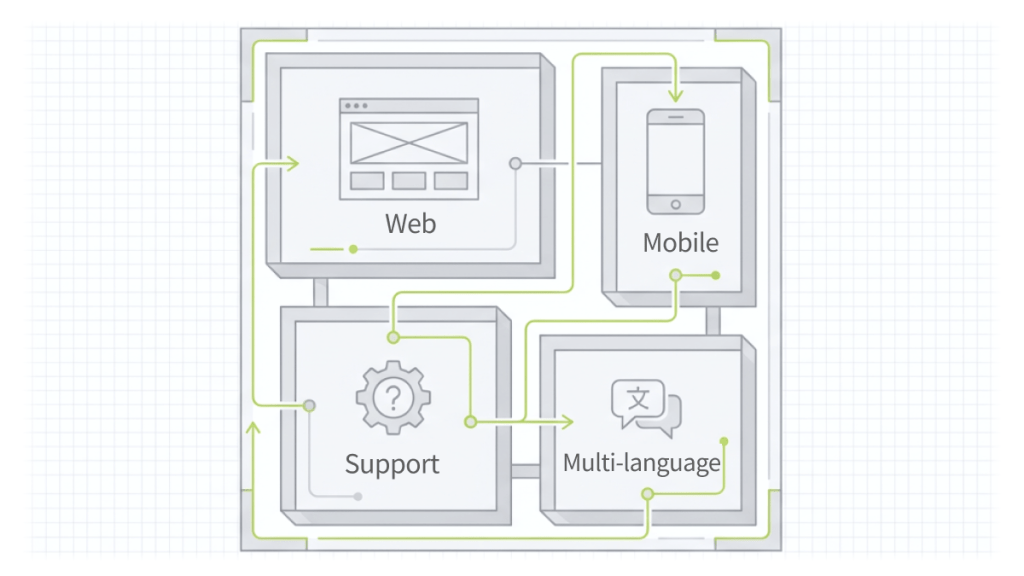
Bulgaria is often chosen for cost-to-skill balance and a long-standing outsourcing footprint.
Best fit:
- Web and mobile product teams
- Support-heavy engineering programs
- Multi-language EU deployments
Trade-offs:
- Talent pool is smaller than Poland’s, so scaling very fast can be harder
- Senior specialization can require longer lead time
Czech Republic
Czechia works well when you prioritize EU environment, high engineering standards, and proximity to DACH markets.
Best fit:
- Enterprise software, manufacturing systems, B2B SaaS
- DACH-aligned delivery with strong planning culture
Trade-offs:
- Typically higher rates than several neighboring hubs
- Smaller market means selective hiring is necessary
Hungary
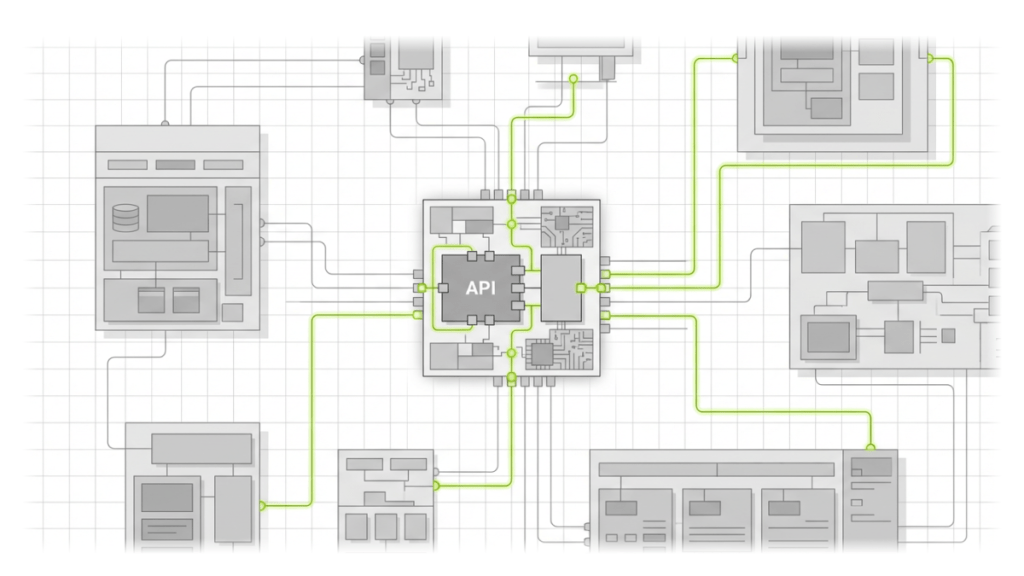
Hungary can be a good choice for specific skill pockets and targeted delivery, especially as part of a multi-country setup.
Best fit:
- Focused teams for defined components
- Hybrid delivery across multiple CEE locations
Trade-offs:
- Smaller ecosystem than the biggest regional hubs
- Scaling large teams may take longer
Comparison table for fast decision-making
| Criteria | Poland | Ukraine | Romania | Bulgaria | Czech Republic | Hungary |
| EU membership | Yes | Candidate | Yes | Yes | Yes | Yes |
| Collaboration overlap with EU | High | High | High | High | High | High |
| Market strengths | Scale, enterprise delivery | Senior engineering, strong value | EU stability, broad services | Cost-value, mature outsourcing | Quality, DACH proximity | Skill pockets, targeted teams |
| Risk profile | Low | Higher, managed via continuity practices | Low | Low | Low | Low |
| Cost tendency | Higher | Lower to mid | Lower to mid | Lower to mid | Higher | Mid |
| Best for | Long programs | Complex custom systems | Product plus enterprise | Product teams | Enterprise plus DACH | Targeted needs |
Risk mitigation framework for outsourcing in Eastern Europe
Outsourcing risk is rarely about geography. It’s about single points of failure in people, process, and infrastructure. The goal is to make delivery resilient early, before the project gains speed.
What to verify in the first two weeks
- Business continuity readiness
- Primary and backup locations (even if the team is remote)
- Power and internet redundancy for key roles
- Relocation and staffing continuity plan
- Clear incident routine: who leads, who communicates, how escalation works
- Access and security baseline
- Company-managed devices and update policy
- MFA everywhere and role-based access control
- Least-privilege permissions with regular access reviews
- Secrets management rules (no credentials in chats, docs, or repos)
- VPN and secure network practices for production access
- Delivery system that prevents chaos
- A real definition of done that includes QA and documentation
- Test strategy: unit, integration, regression, and what is automated
- Release process: approvals, staging rules, feature flags if needed
- Rollback routine and ownership of production fixes
- Ownership map that avoids rework
- Who owns architecture decisions and how they’re approved
- Who owns backlog quality, estimation, and scope control
- Who owns QA outcomes and release sign-off
- Who owns incidents, monitoring, and support hours
Outcome: by the end of week two you should have a delivery setup that is repeatable, auditable, and not dependent on a single person.
How to reduce dependency on single points of failure
- Knowledge redundancy for critical modules: at least two engineers can support each key area
- Written handover standard: every feature has short operational notes, not just code
- Recorded technical decisions: decisions are logged with rationale and trade-offs
- Cross-review discipline: no major changes merged without review from someone outside the module
- Disaster recovery drills for critical services: simulate downtime, failover, and restore steps on a schedule
Key takeaway: resilience is a design choice. If you don’t build it early, you pay for it later in delays and production incidents.
Total cost beyond hourly rates
Hourly rate is visible. Real cost shows up in churn, rework, and slow delivery cycles.
What usually drives cost up in real projects
- Misaligned ownership that creates repeated rework and unclear accountability
- Churn that resets context and forces constant onboarding
- Weak QA that shifts cost into hotfixes, support, and lost trust
- Slow decisions caused by unclear roles, weak product governance, or missing approvals
A practical TCO checklist
When comparing vendors, estimate:
- Delivery leadership overhead you still need internally (product, architecture, QA, release management)
- Churn risk and onboarding cost (how stable the core team is)
- Quality cost: defect rate, hotfix frequency, support load, regression risk
- Delay cost: what happens if the roadmap slips by 4-8 weeks
- Operational cost: monitoring, incident response, release management maturity
Outcome: a stable team with consistent quality usually beats a cheaper team that needs constant correction.
Nearshore vs offshore in one practical view
The better choice depends on what your product needs most: overlap, speed, clarity, or coverage.
When Eastern Europe tends to win
- You need strong overlap with EU or UK working hours
- You want direct communication with engineers and tech leads
- You’re building complex systems where clarity, ownership, and speed matter more than raw volume
When other regions can be a good fit
- Work is standardized and fully specified
- You have strong internal product and architecture governance
- You prioritize round-the-clock coverage and can handle coordination overhead
How One Logic Soft approaches Eastern European delivery
We treat outsourcing as a delivery system, not a hiring shortcut. That means:
- Clear ownership across product, engineering, QA, and delivery management
- Measured delivery cadence with QA gates, release discipline, and predictable handoffs
- Security-by-default workflows aligned with EU expectations
- Staffing that protects velocity: stable core team plus specialists when needed
Outcome: stable delivery capacity that scales without turning management into hidden cost.
Our approach integrates structured QA in product development from day one, ensuring that architecture, testing strategy, and release governance evolve together rather than as isolated layers.
FAQ
Is Eastern Europe still cost-effective in 2026?
Yes, when you optimize for value per senior hour and delivery stability. The best long-term outcome comes from stable teams with strong leadership and low churn.
What should we verify when selecting a vendor in higher-risk environments?
Look for business continuity practices: redundant connectivity, power backups, distributed staffing, incident routines, and clear escalation paths. Ask for real examples from past disruptions.
Should we choose one country or multiple?
One strong team is usually faster for early-stage products. Multi-country delivery becomes attractive when uptime, staffing resilience, and continuous release cadence are non-negotiable.
Which destination is best for AI and data work?
Country matters less than the vendor’s ability to run data pipelines, MLOps, monitoring, and reliable production operations. Evaluate based on shipped systems, not slide decks.
Talk to our team
If you’re evaluating Eastern Europe for your next project, start with constraints, not a country.
Send us:
- Product type and domain
- Target team size and seniority mix
- Timeline and release pressure
- Security and compliance requirements
- Timezone overlap expectations
We’ll propose a delivery setup, recommend a country or multi-country strategy, and outline the team structure that supports stable execution from day one.
Real Project Examples and Case Studies
Evaluating outsourcing partners is easier when you can review real delivery examples rather than theoretical capabilities. Case studies reveal how teams approach architecture decisions, handle product complexity, and maintain delivery stability under real business conditions.
One Logic Soft has delivered projects across multiple industries including retail, logistics, e-commerce, mobile platforms, and AI-driven applications. These projects demonstrate how structured engineering processes, clear ownership, and stable teams translate into working products and measurable business results.
Recent examples include:
- Mobile self-checkout systems for retail environments
- Multi-store e-commerce platforms operating across several European markets
- Order management systems for logistics companies
- AR-based applications for consumer products
- Custom booking platforms and enterprise web systems
Each project illustrates practical delivery approaches such as scalable architecture design, cross-platform development, secure infrastructure, and continuous product iteration.
If you want to see how these systems were built and what results they achieved, explore the full portfolio of engineering projects and delivery case studies here!


Have a project in mind?
Let's chat
Your request has been accepted!
In the near future, our manager will contact you.
Have a project to discuss?

Have a partnership in mind?