Europe’s FinTech Boom Meets a Talent Crunch and Why Dedicated Teams Are the Real Solution
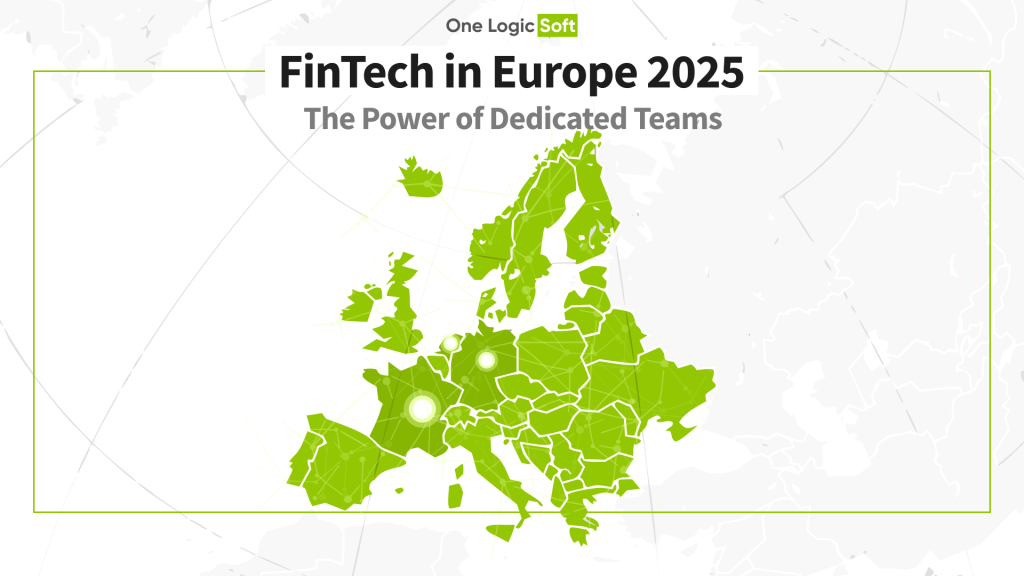
Europe’s fintech market has entered its next major growth cycle. Investments are back, regulatory frameworks are stabilizing, and new players are emerging across Germany, France, and the Netherlands.
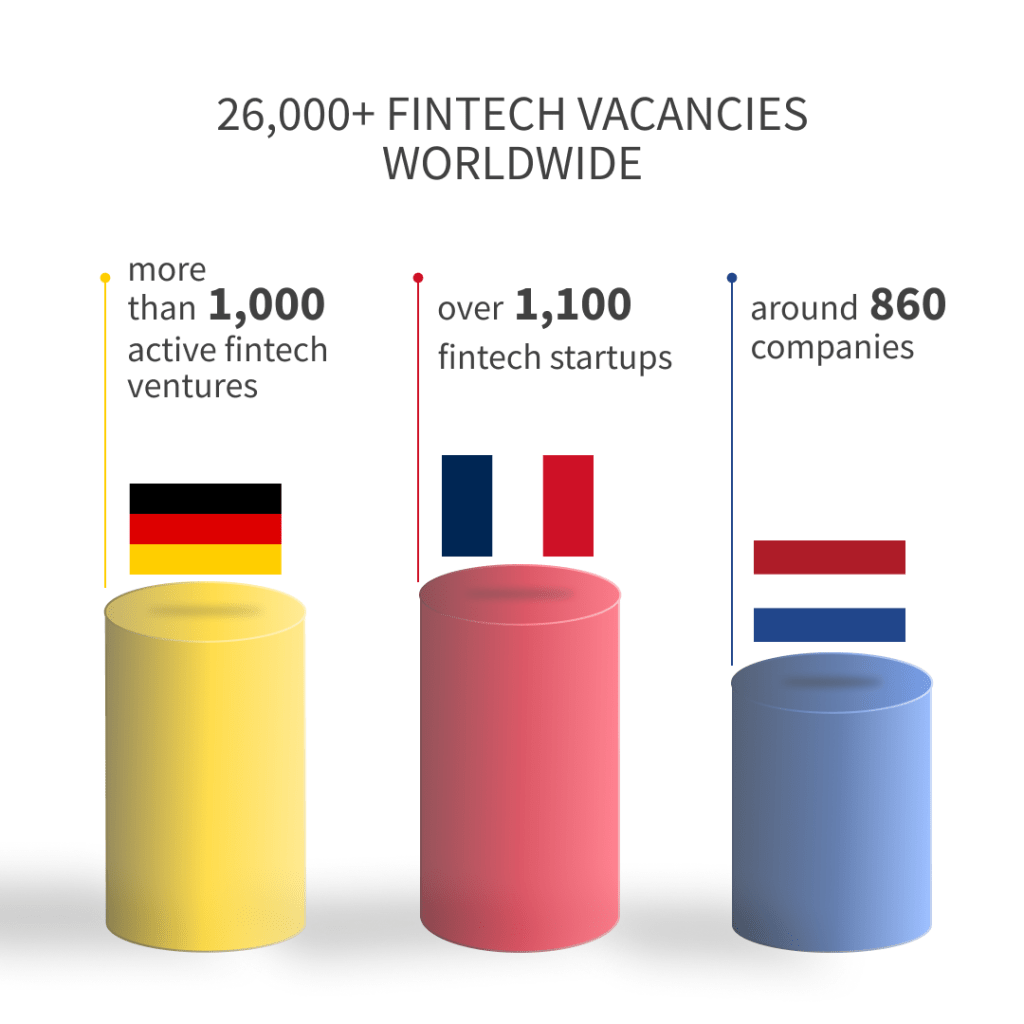
According to the latest industry data, Europe now hosts one of the most dynamic fintech ecosystems in the world. France counts over 1,100 fintech startups employing around 54,000 people, Germany has more than 1,000 active fintech ventures, and the Netherlands lists close to 860 companies driving innovation in payments, crypto, and open banking. Across the wider EMEA region, there are now over 10,700 fintech startups, showing a steady rise in activity after the funding slowdown of 2023–2024.
Yet, as the sector scales, one problem overshadows all others: a shortage of qualified talent. Hiring demand remains intense: leading payments and banking platforms reported over 1,100 open technical and compliance positions in Europe during Q2 2025 alone. The supply of skilled engineers, data scientists, and compliance experts still struggles to meet this pace.
The result is clear: innovation slows, delivery pipelines stretch thin, and startups burn valuable time in the hiring cycle.
Why Traditional Hiring Can’t Keep Up
The talent gap isn’t just a recruitment issue, it’s structural.
European fintechs are facing three overlapping challenges:
- Hyper-specialization of roles.
Today’s fintech products demand deep knowledge in AI, blockchain, risk modeling, and regulatory compliance skill sets rarely found in one region or even one country. - Cross-border complexity.
Fintechs hiring globally must navigate labor laws, visas, and data protection regulations across multiple jurisdictions. What used to take one month now takes three. - HR bandwidth and burnout.
Startups often have small HR teams managing 10–20 simultaneous vacancies. Lengthy interviews, compliance checks, and salary benchmarking consume time that should go into scaling the product.
The result is predictable: longer release cycles, higher recruitment costs, and lower morale.
Dedicated Teams: The Strategic Response
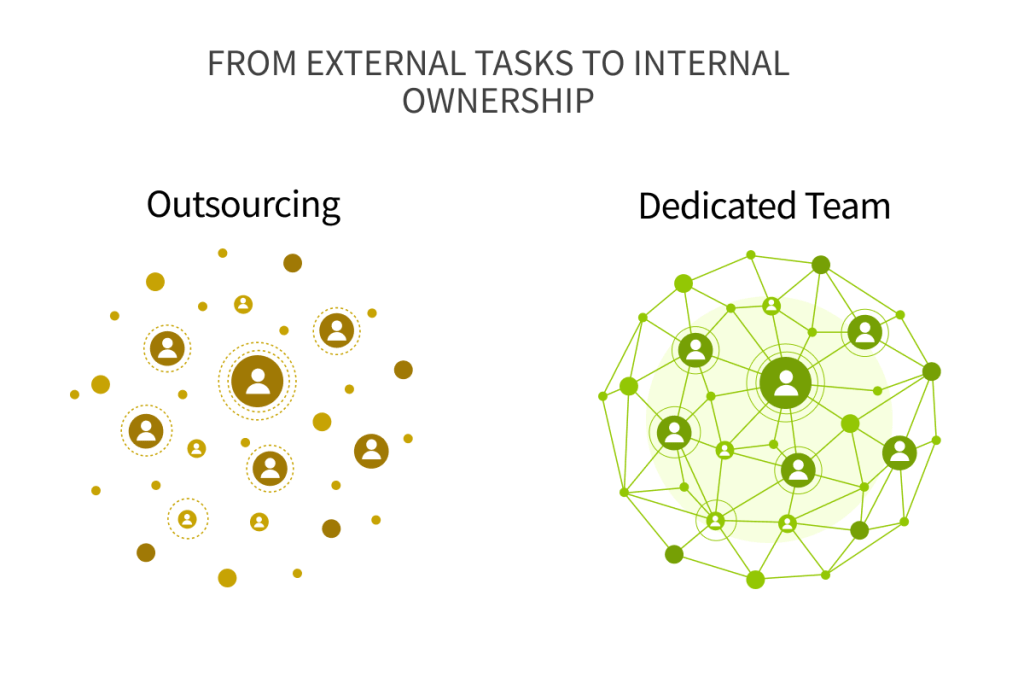
To break the cycle, European fintechs are increasingly turning to dedicated development teams of long-term engineering units that operate as part of the company rather than as short-term contractors.
This model ensures:
- Continuity of expertise. Institutional knowledge, architecture decisions, and business logic stay within the team, not the vendor.
- Scalability and agility. Teams can expand or specialize quickly without losing product context.
- Full security and compliance control. GDPR, PSD2, and AI Act readiness are embedded into daily workflows.
- Aligned culture. Developers work as part of the company’s mission, not as outsiders completing tickets.
It’s a transformation from “outsourcing tasks” to “building long-term capability.”
Fintech and Beyond: Why Other Industries Follow
Interestingly, this trend isn’t limited to financial technology. The same dedicated-team model now drives innovation in custom software development for logistics, where uptime, traceability, and data integrity are just as critical as in banking.
Similarly, every modern retail software development service relies on long-term product teams that understand customer behavior, omnichannel operations, and scalable cloud architecture.
The convergence of fintech, retail, and logistics around shared technological principles automation, compliance, and real-time analytics shows that the dedicated-team approach has become a cross-industry standard.
The European Nearshore Advantage
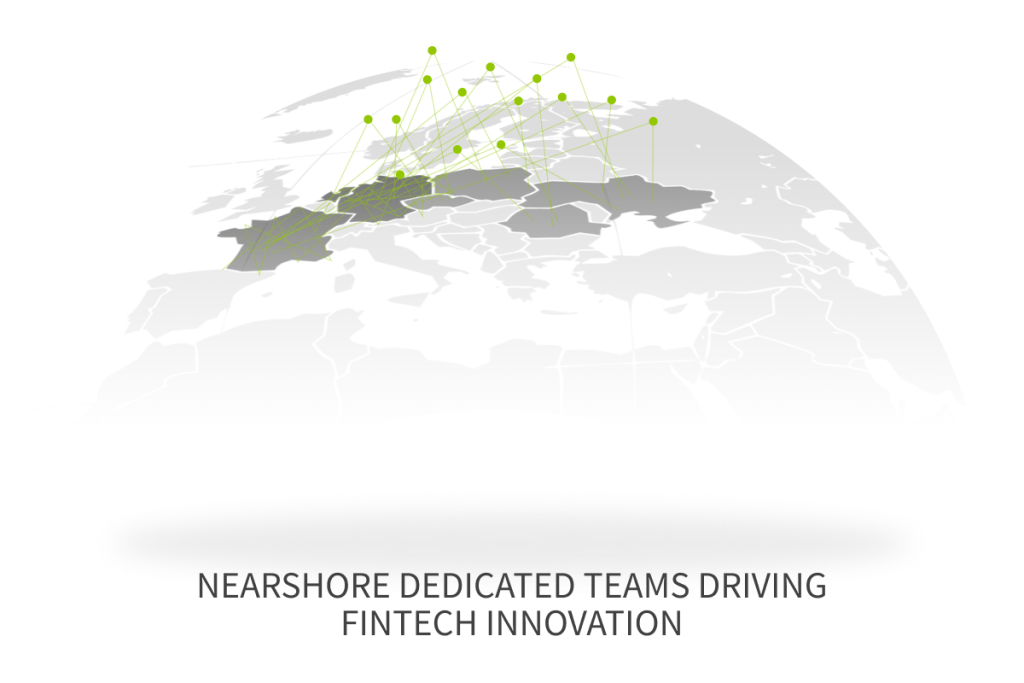
Germany, the Netherlands, and the Nordics remain Europe’s fintech growth engines, but also its most talent-starved markets. That’s why companies increasingly establish nearshore teams in Central and Eastern Europe countries like Poland, Ukraine, and Romania. These regions offer highly skilled engineers, shared time zones, and strong English proficiency, making integration seamless.
The nearshore model combines what fintechs need most:
- Rapid scalability without excessive cost
- Cultural and operational alignment
- Stable long-term partnerships instead of rotating contractors
Case Insight: How the Model Works
- A German RegTech scale-up builds a dedicated QA automation team in Warsaw to meet DORA compliance standards.
- A French payment platform expands with a nearshore DevOps unit focused on secure AWS infrastructure.
- A Dutch crypto wallet startup establishes a distributed AI team across Prague and Lisbon for fraud detection and pattern analysis.
Each case shares one pattern: the dedicated team becomes part of the product’s evolution, not an external supplier.
What This Means for Fintech Leaders
For decision-makers, the logic is simple:
In fintech, delivery speed and compliance reliability define market success — and both depend on the team structure behind them.
Dedicated teams allow fintech companies to:
- Retain architectural ownership
- Manage technical debt proactively
- Scale predictably with measurable KPIs
- Align technology with business growth
Instead of fighting for every hire in saturated local markets, leaders can build ecosystems of committed engineers who grow alongside the product.
FAQ
1. Are dedicated teams only for large enterprises?
No. Even small fintech startups can gain enormous value from this model. A young company can begin with a compact unit of four to six specialists who handle core areas such as backend development, quality assurance, and DevOps. As funding and user demand increase, the same team can expand organically without disrupting the workflow. This approach gives startups the foundation for long-term stability, allowing them to scale efficiently while keeping full control over their product vision and delivery speed.
2. How does this model differ from classic outsourcing?
Traditional outsourcing often means that projects are handed over to external vendors who work independently and focus only on predefined tasks. A dedicated team, in contrast, becomes an integrated part of your company. These professionals use the same tools, follow the same processes, and communicate within the same ecosystem as your in-house employees. The difference lies in mindset. Instead of completing short-term assignments, the team continuously contributes to the product’s growth and innovation as if it were their own.
3. What about data security and compliance?
All development processes follow strict European and international standards, including GDPR, PSD2, and ISO 27001. Every environment is protected through encrypted VPN connections, multi-level authentication, and continuous security monitoring. Team members sign detailed NDA agreements, and all actions are recorded through audit-ready documentation. This structure ensures that sensitive financial or operational data remains fully protected, while compliance with regulations is maintained at every stage of development.
4. Can this model support non-fintech industries?
Yes. The same principles that make dedicated teams successful in fintech also apply to other sectors such as logistics, retail, healthcare, and manufacturing. Any industry that relies on real-time data processing, regulatory compliance, and continuous product evolution can benefit from this structure. Dedicated teams bring consistency, faster response times, and a deep understanding of business logic to every domain. They help organizations turn technology into a reliable growth engine rather than just a support function.
Strong Thought & Action
Europe’s fintech ecosystem is expanding faster than ever, yet the real competition is no longer defined by who raises the most funding. It is defined by who can build teams that truly sustain innovation. Dedicated engineering teams have become the foundation of this new reality. They bring together speed and accountability, merge creativity with technical discipline, and connect global reach with the trust of local expertise.
At OneLogicSoft, we help fintech companies and technology-driven enterprises transform the way they build software. Our teams create stable and intelligent digital ecosystems that scale effortlessly and remain fully compliant with industry standards.
Through our experience in custom software development for logistics, we help organizations optimize every operational process, integrate data across supply chains, and turn infrastructure into a competitive advantage. The same approach drives our retail software development service, where we design adaptable platforms that improve customer experience, streamline transactions, and connect online and in-store performance.
Every partnership begins with one principle. When technology and people evolve together, innovation becomes a predictable outcome rather than a lucky breakthrough. If you are ready to transform your roadmap and accelerate product delivery, start by building the team that will make it possible.


Have a project in mind?
Let's chat
Your request has been accepted!
In the near future, our manager will contact you.
Have a project to discuss?

Have a partnership in mind?